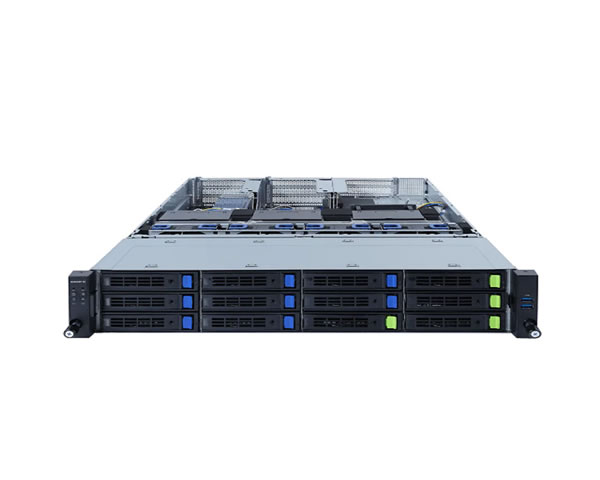
the three essences of quick access to japanese cloud servers
in today's digital era, more and more enterprises and individual users are beginning to pay attention to the use of cloud servers , especially choosing overseas cloud servers , such as japanese servers. for users in shanghai, how to quickly and easily access japanese cloud server services has become an important topic. here are the three highlights:
- choose the right cloud service provider
- quickly configure and deploy cloud servers
- optimize server performance and security
next, we will analyze these three essences in detail to help you better understand how to quickly access japanese cloud server services.
1. choose the right cloud service provider
before connecting to a japanese cloud server , you first need to choose a reliable cloud service provider . there are many companies on the market that provide japanese cloud services, such as aws , alibaba cloud , tencent cloud , google cloud , etc. each company's services have its own unique features, and users need to choose according to their own needs.
when choosing a cloud service provider , you can consider the following factors:
- price : the pricing of different service providers varies greatly. it is recommended to choose according to your own budget.
- service quality : check user reviews and service provider's technical support to ensure that you can get timely help during use.
- network speed : since the server is located in japan, connection speed is crucial, choose a service provider that provides high bandwidth and low latency.
after evaluating these factors, choosing the cloud service provider that best meets your needs can lay a good foundation for subsequent cloud server access.
2. quickly configure and deploy cloud servers
after selecting a cloud service provider, the next step is to configure and deploy the cloud server . most cloud service providers provide user-friendly management consoles for users to operate conveniently. here are the basic steps for quick configuration:
- register an account : register an account on the official website of the selected cloud service provider and perform identity verification.
- create an instance : select create a new instance in the console, select the server region in japan, and select the appropriate operating system and machine type.
- configure security group : set firewall rules to ensure that only authorized ips can access the server to improve security.
- install necessary software : according to business needs, install required applications and software environments, such as databases , web servers , etc.
after completing the above steps, you can connect to your cloud server through remote connection tools (such as ssh) and start deploying your applications and services.
3. optimize server performance and security
after the server is configured, it is important to optimize its performance and security. here are some common optimization suggestions:
- update your system regularly : keep your operating system and all software updated to ensure you get the latest security patches and features.
- monitor performance : use monitoring tools (such as prometheus , zabbix , etc.) to monitor server performance in real time and discover and solve problems in a timely manner.
- data backup : back up important data regularly to ensure quick recovery in the event of an accident.
- implement security policies : such as using vpn, ssh key login, restricting ip access, etc. to improve server security.
through the above optimization measures, the stability and security of the cloud server can be effectively improved, ensuring the smooth progress of the business.
summarize
for users in shanghai, quickly accessing japanese cloud server services is not a complicated matter. you only need to choose a suitable cloud service provider , quickly configure and deploy it, and perform necessary performance and security optimizations to successfully conduct business in japan's cloud environment. we hope that the information provided in this article can help you better access and use japanese cloud server services and achieve your business goals.
- Latest articles
- Popular tags
-

From Backup To Security, Key Points Of Japanese Student Cloud Server Operation, Maintenance And Permission Management
a practical guide to cloud server operation, maintenance and permission management for japanese students, covering detailed steps from backup, ssh keys and user configuration to firewalls, monitoring, emergency response and compliance points. -
Japanese Cloud Server Special Promotions And Purchasing Suggestions
learn about japanese cloud server special promotions and purchasing suggestions to help you choose the right cloud server. -

Are Japanese Cloud Servers Really Useful? Use Experience Sharing
in-depth discussion of the actual use experience of japanese cloud servers, and evaluation of its performance, stability and applicable scenarios.